

Smart elevator solutions boost efficiency of hospital operations
Founded in 2000, the supports reliable operations in over 230 healthcare facilities, including more than 100 hospitals. A team of 1800 experts offers consulting and services in many different areas such as medical technology and documentation, facility management, IT, logistics – and . In search of a solution to improve the availability and performance of their assets, FACT decided to try , our cloud-based predictive maintenance platform fed with data collected with our light curtains. Implementing the solution has shown measurable results from the start.
“By installing CEDES Elevate, we significantly increased the capacity and availability of the elevators in a short period of time,” says Eduard Eberling, Head of Elevator Planning at FACT.
“The ongoing benchmarking allows us to identify and optimize logistical processes and issues in hospital operations. We haven’t come close to achieving this with any other products we tested. Based on the results from pilot installations, we have equipped additional elevators with CEDES Elevate. Our goal is to integrate all elevators in order to gain a global view of the critical infrastructure.“
Shortly after installing the system, the FACT team noticed that one of their elevators was running slightly below their contracted top speed. Acting on this insight, they requested an adjustment from their service provider. The tweak was successful, improving elevator utilization in their hospital. For a building with 950 rides and 10 km of vertical travel per day, this small correction translates into measurable time savings and smoother passenger flow, which is especially important in this sensitive environment where smooth patient transfers are key.
At the same time, the door health alert flagged increased vibration levels on one of the floors. A service technician investigated the issue and discovered that one of the rollers had gone off track after the door had been hit. As a result, the roller was replaced before it caused a jam, preventing service interruptions, passenger inconvenience, and expensive emergency repairs. This is just one of the examples that show how Elevate turns subtle signals into actionable insights, helping building managers prevent breakdowns, optimize performance, and maintain smooth elevator operations – for the benefit of the riding public.
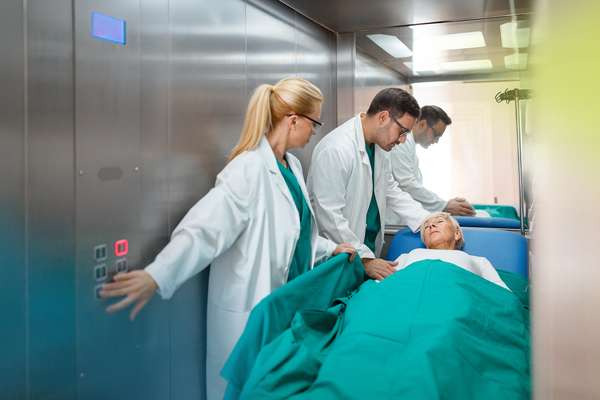
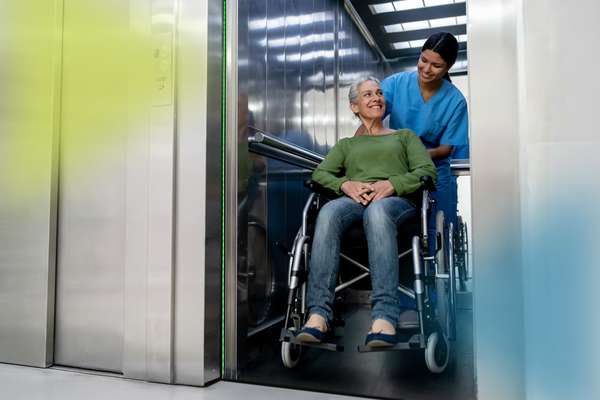
is another capability of our light curtains that was put to test at the same hospital, with great results. Our system reliably distinguishes between beds, wheelchairs, and passengers, enabling elevators to lock into direct-ride mode when the cabin is at capacity – without extra hardware such as key switches or induction loops. Direct rides ensure privacy and comfort for patients during transfers, while reducing waiting times for other elevator users. The signal from the system can also be used to automatically trigger additional actions like dimming the cabin lights, for even more patient comfort.
According to Eduard Eberling, the difference is remarkable: “Since implementing the object recognition system from CEDES, our elevator operations have become noticeably smoother. We’re seeing fewer bottlenecks and faster patient transfers. This hasn’t gone unnoticed by the medical staff, who are reporting reduced waiting times and more efficient workflows. On top of that, the system’s ability to detect other objects, such as food or laundry trolleys, opens additional opportunities for automation and smarter logistics."
"It’s become a real asset in keeping our hospital moving.“
Interested to learn more about our solutions for healthcare facilities?
To the top